Voice Chatbot Lead Generation: Turn Conversations Into Action
Our voice chatbots help visitors get answers and leave contact details, giving your team more chances to follow up on promising enquiries.


A potential customer lands on your website with a question. They are interested, but they want to know whether you cover their area, offer the right service or can help with their particular problem. If finding the answer takes too much effort, they may leave before you ever hear from them.
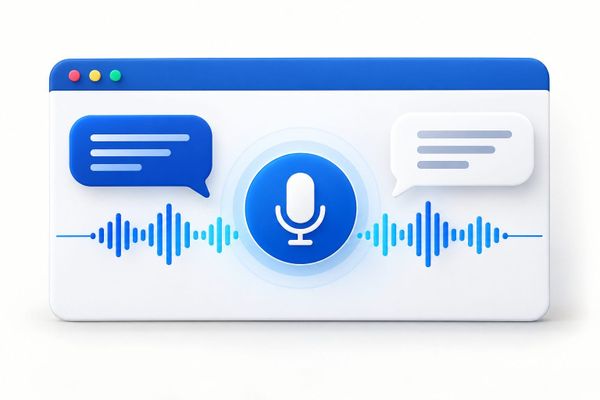
A voice chatbot gives them a simple way to ask. Instead of searching through pages or composing a long message, they can talk, get an answer and explain what they need. When they want to hear from your business, the chatbot can ask for their name and contact details as part of the conversation.
That is the opportunity behind voice chatbot lead generation: make it easier for someone to enquire, and give your team a useful way to continue the conversation. You still do the work of winning the customer. The chatbot helps you get to that conversation in the first place.
Our website voice chatbots answer visitors' questions about your business and ask for contact details when they want to hear from you. You choose the services to focus on, so the conversation helps people enquire about what you actually offer.
Make asking a question feel easy
Think about the enquiries you receive every week. People rarely begin with a perfectly written brief. They say, “I'm not sure which service I need,” or “Can you help with something like this?” A conversation gives them room to explain.
A homeowner might describe a dripping tap and ask whether you work in their town. A parent might ask which tutoring service suits their child. Someone planning a garden project may know what they want to change without knowing the name of the service to request.
Voice lets them start with that ordinary question. The chatbot can answer from the information you have given it and ask a helpful follow-up. The visitor does not have to know your terminology before they can enquire.
Some people will prefer typing. Offer both options so they can choose what suits them. The benefit comes from making the enquiry comfortable, whether someone wants to talk through a problem or quietly send a message.
Give interested visitors a reason to take the next step
Asking for a phone number straight away can feel like a sales pitch. Answering the visitor's question first gives them a reason to continue.
Suppose you run a landscaping business. A visitor asks whether you can replace a small patio. The chatbot explains the services you offer, checks which area they are in and asks whether they would like your team to get in touch about the project.
Now sharing a name and email address has a clear purpose. They are asking for a conversation about their patio, rather than handing over details without knowing what happens next.
This is where lead generation becomes part of helping the customer. You give them an answer, then offer a relevant next step. That might be a call about a quotation, more information about a service or a conversation with the right person on your team.
Collect the details your team needs to help
Our voice chatbots can ask visitors for contact details during the conversation. You might want a name and email address, a phone number for a requested callback or a location to understand where the work is needed.
Keep the questions relevant to the enquiry. A plumber may need to know the town and the problem. A training business may ask what subject the customer is interested in and roughly how many people need training. A bicycle workshop might ask what the customer wants help with before offering a follow-up.
The visitor should understand why you are asking. “Which town are you in so we can check whether we cover your area?” feels helpful. A long series of unrelated questions feels like work.
Contact details also need to be clear enough for your team to use. If an email address is awkward to say aloud, the visitor can use text or a form instead. Giving them that choice can keep a promising enquiry moving.
You do not need to ask everyone for everything. Ask for what helps you respond to this particular person, and respect someone who would rather not share a phone number.
Give enquiries somewhere to go when you are busy
Running a business often means being away from your desk. You may be with a customer, teaching a class, visiting a property or finishing a job. Your website visitors can be looking for help at exactly those moments.
A voice chatbot gives them a place to ask questions while you are occupied. It can explain the services in your business information and invite an interested visitor to leave contact details for follow-up. That gives your team an opportunity to respond when someone is available.
The same applies outside your usual working hours. A person researching a home improvement in the evening does not necessarily expect an immediate call. They may simply want to know whether you can help and how to request one.
Be clear about when your team will respond. If you return enquiries during office hours, say so. Do not promise an instant callback when nobody is there to make it. A useful answer and an honest next step are a better start to the relationship.
Voice can support your wider customer service, too. Someone who gets a clear answer to an initial question may feel more comfortable asking about your service. You are helping them decide whether to speak to you.

Start follow-up with a better conversation
“Please call me” gives your team very little to go on. An enquiry that explains what the person wants helps you begin with something useful.
Imagine a visitor has asked about servicing a bicycle before a long trip. When your team follows up, they can refer to that request: “You were asking about getting your bicycle checked before your trip. What day would suit you to discuss it?”
For a landscaping enquiry, the conversation might explain that the customer wants to replace an uneven patio. Your team can start by discussing that project, rather than asking them to describe everything from the beginning.
You can read what each visitor asked before getting in touch. With their contact details and a clear idea of what they need, your team can pick up the conversation without asking them to start again.
Someone still needs to take ownership of the enquiry. Decide who will respond and make checking new enquiries part of the working day. A helpful chatbot creates an opening; your team's response helps turn it into a customer relationship.
What this could look like for your business
Here are three everyday enquiries your chatbot could help with.
A homeowner looking for a repair
A visitor asks, “My bathroom tap keeps dripping. Do you work in our area?” Your chatbot uses your service information to explain whether you cover their town and handle that type of work.
If the visitor wants help, it asks for a name and suitable contact details so your team can discuss the problem. You have a chance to follow up on an actual enquiry. Your plumber still assesses the work and confirms the price.
A business asking about staff training
A visitor says they need customer-service training for a small team but are unsure which course to choose. Your chatbot explains the relevant options from your course information and asks what they want their staff to improve.
It can then offer to collect their contact details for a conversation with your team. When you respond, you know the subject they are interested in and can ask more useful questions about what they need.
A customer planning a garden project
A visitor describes a patio they want to replace and asks how to begin. Your chatbot explains your enquiry process and asks which area the property is in.
If they would like your team to contact them, it collects the appropriate details. Your team can discuss the project and arrange a visit where suitable. The chatbot helps start the enquiry; it does not invent a quotation or promise a date you have not agreed.

Help customers feel comfortable sharing their details
People are more likely to understand a contact request when the reason is straightforward. Tell them what your team will use the information for and what they can expect next.
“Would you like us to email you about the course?” is a clear invitation. So is “Can we take a phone number so our team can call about your repair enquiry?” Keep the request tied to what the visitor has asked for.
Let them decline or choose another way to get in touch. Some people are researching and are not ready for a call. You can still help with their question and leave the door open for later.
Give us clear details about your services, prices and the areas you cover so we can help your chatbot provide useful answers. If someone needs a quotation or advice from your team, the chatbot can invite them to leave contact details so you can respond.
Start with the enquiry you want more of
You do not have to change your whole website to begin. Choose one service and think about the questions people ask before buying it.
Give the chatbot clear information about that service, where you offer it and how someone can enquire. Choose the contact details your team needs to respond. Then have a few conversations yourself, using the kinds of questions customers actually ask.
Would you understand the answer? Would you feel comfortable leaving your details? Is it clear what the business will do next? Those questions help you create an experience you would be happy to offer a customer.
You can also help visitors choose a service, understand their options and ask for support. When you are ready to begin, get help setting up your chatbot.
Frequently asked questions
Can a voice chatbot help me get more enquiries?
We make it easier for visitors to ask questions and leave their contact details when they want a response. That gives your team a chance to follow up on interest that might otherwise go no further. Winning the customer still depends on your offer and your follow-up.
Can it ask for a name, email address or phone number?
Yes. You can choose the contact details our voice chatbot should ask for during a conversation. Keep the request relevant and explain why your team needs the information.
Does the visitor have to fill in a form?
No. Visitors can tell our chatbot their details during the conversation. We also let you offer a form or text, so someone can type an email address if that feels easier.
Can visitors type instead of speaking?
Yes. Our website chatbot can offer both voice and text, so visitors can choose how they want to ask for help.
Will it make sales calls or answer my business telephone?
No. Our voice chatbot talks with visitors on your website. Your team can then call or email people who have asked to hear from you.
Which plan do I need for voice conversations?
Voice conversations are available on our Business, Premium and Reseller plans. Check our current pricing to choose the right option for your business.
Make it easier for your next customer to contact you
Your next enquiry may begin with a small question. Give that person an easy way to ask it, a useful answer and a clear invitation to continue.
Explore our voice chatbots and start with one service you would like more enquiries about. Help the visitor explain what they need, collect the details needed for follow-up and let your team take the conversation forward.