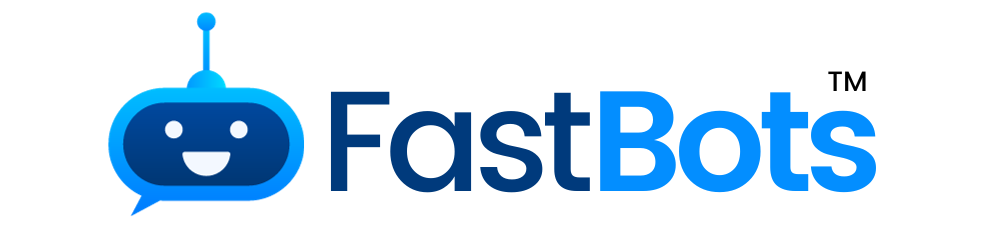
A Guide to Chatbots in HR
Imagine having an HR partner who works around the clock, answers the same questions without getting frustrated, and frees up your team to focus on what really matters: your people. That’s not a far-fetched idea; it's exactly what chatbots in HR are designed to do.
Meet Your New Digital HR Assistant
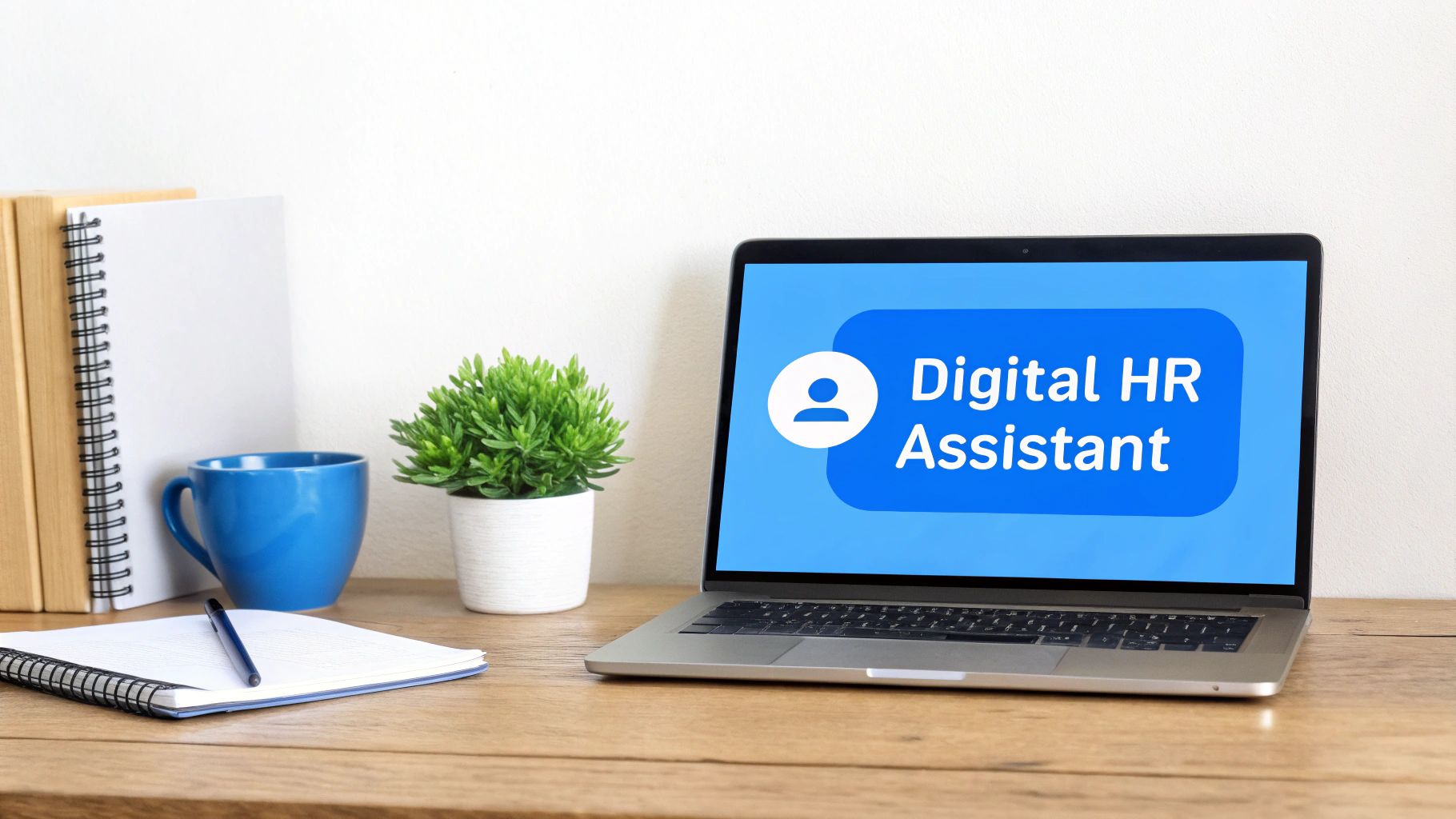
So, what exactly is an HR chatbot? At its core, it's a smart piece of software built to handle conversations and common employee questions automatically. Instead of a person digging through a knowledge base to answer an email, the bot steps in with instant, accurate info.
Think of it as the first line of defense for your HR department. It’s not here to replace the critical, empathetic work your team does. Instead, it acts as a digital gatekeeper for all the routine stuff—those endless questions about vacation policies, benefits enrollment, or payslip dates. This simple shift is a game-changer for productivity.
How Chatbots Fit into Your Workflow
The best part is that HR chatbots slot right into the tools your team already uses every day, like Slack, Microsoft Teams, or your company’s internal portal. They become an on-demand, super-accessible resource for everyone in the company.
Here’s where you’ll see the immediate impact:
Instant Support: Employees get answers in seconds, not hours. This is huge for employee satisfaction.
Less Admin Overload: The bot takes care of high-volume, low-effort tasks, giving your HR staff time back for strategic work.
24/7 Availability: It’s always on. That means your team members in different time zones get the same level of support without anyone having to pull a late shift.
To get a better sense of how this technology fits into the bigger picture of artificial intelligence, it helps to explore what a modern AI Assistant can do beyond basic chat functions.
By automating up to 70% of routine queries, chatbots allow HR teams to shift their focus from transactional tasks to high-value activities like employee development and strategic planning.
This isn't just about efficiency; it changes the entire dynamic of your HR department. Your team can stop being reactive problem-solvers buried in an inbox and start being proactive partners in building a stronger company culture. The chatbot handles the predictable, so your people can handle the personal.
Weaving Support Throughout the Entire Employee Journey
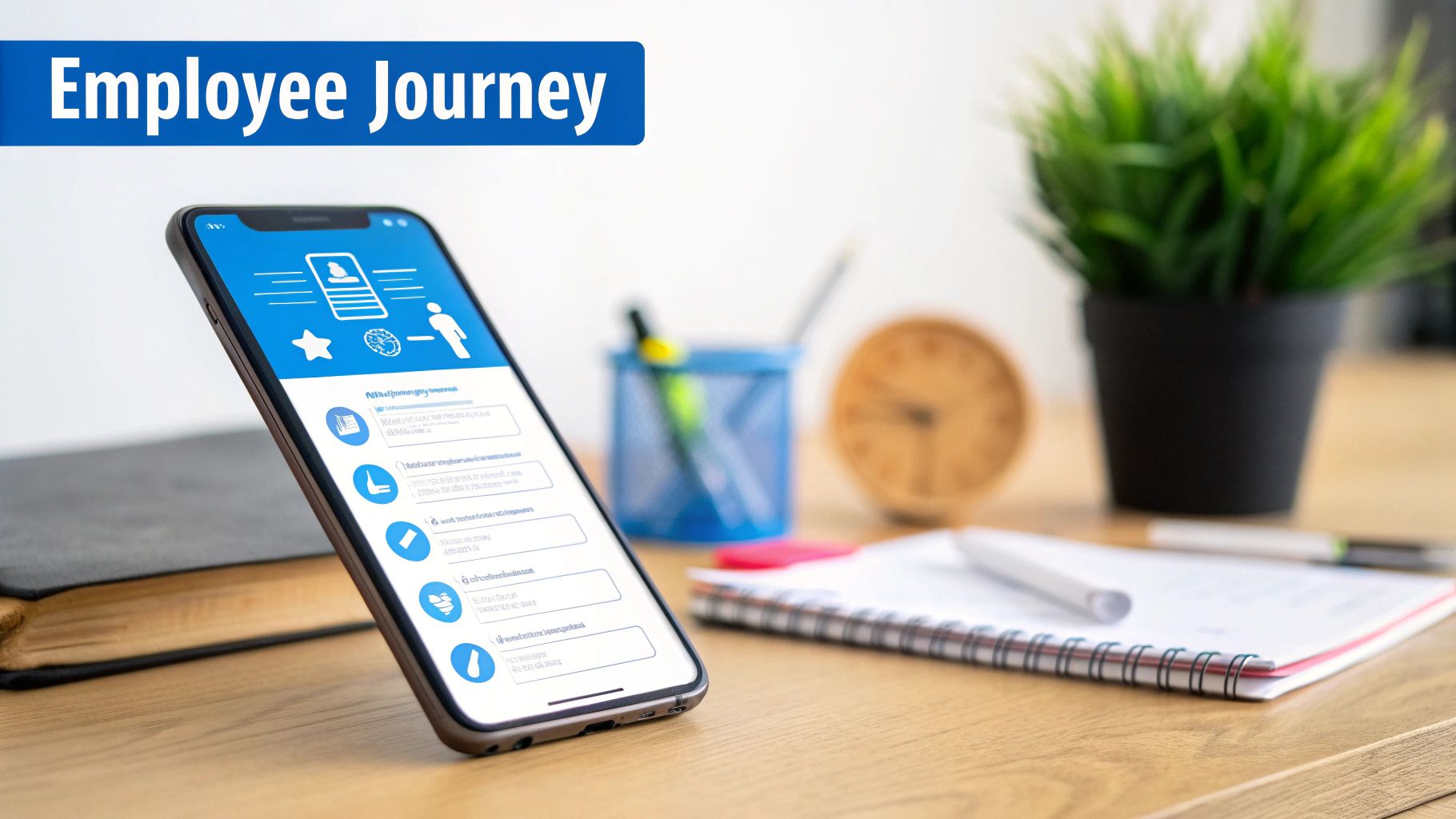
A well-designed HR chatbot is much more than a simple Q&A tool. Think of it as an active partner that shows up at every critical stage of the employee lifecycle. From a candidate's very first interaction to an employee's ongoing professional growth, these digital assistants provide consistent, on-demand support.
By automating the high-volume, low-complexity tasks that clog up your team's day, chatbots reshape how your organization engages with its people. This frees your HR pros to focus on the truly human side of human resources—building culture, navigating tricky employee relations, and dreaming up the next big talent initiative.
Elevating Recruitment and the Candidate Experience
Talent acquisition is often the first place companies put an HR chatbot to work, and for good reason. The sheer volume of applications and repetitive candidate questions can bury even the most organized recruiting teams. A chatbot, on the other hand, is a tireless front-line screener and scheduler that never needs a coffee break.
Here’s where they really shine in recruiting:
Initial Candidate Screening: The bot can ask those crucial first questions about qualifications, years of experience, and work authorization. It instantly filters candidates who meet the basic job requirements, saving recruiters hours.
Automated Interview Scheduling: Forget the endless email chains. The chatbot syncs directly with recruiters' calendars, allowing qualified candidates to book an interview slot that works for everyone.
Answering FAQs 24/7: Candidates get instant answers to questions about company culture, benefits, or the status of their application. This creates a positive and responsive first impression, even at 2 AM.
This kind of automation makes a huge difference. It’s not uncommon for companies to see visitor numbers to their career sites nearly double, with a high percentage of those visitors converting into employees thanks to an AI assistant. As of today, 13% of HR teams globally are already using machine learning or chatbots for these tasks.
Streamlining Onboarding and Daily Support
Once you’ve made a hire, the chatbot shifts gears. It becomes an onboarding guide and a go-to daily resource. Those first few weeks are critical for new hire retention, and a bot ensures a smooth, organized, and welcoming start. It can walk new employees through paperwork, introduce them to key company policies, and handle that initial flood of questions without delay.
For your existing team, the chatbot becomes their personal self-service portal.
An HR chatbot is like a centralized, searchable knowledge base that actually talks back. It stops employees from having to dig through confusing internal wikis or wait for an email response just to ask a simple question.
This instant access to information is a key part of how conversational AI for HR transforms employee management, removing the friction from everyday work life.
Fostering Continuous Learning and Development
Beyond the administrative grind, chatbots also play a surprisingly effective role in employee growth. They can proactively support your learning and development (L&D) initiatives in a few smart ways:
Suggesting Relevant Training: Based on an employee’s role, performance goals, or skills they’ve shown interest in, the bot can recommend relevant internal courses or external learning resources.
Tracking Progress: It can send friendly reminders for training deadlines and help employees track their completion of required courses, whether for compliance or upskilling.
Gathering Feedback: Right after a training session, the bot can pop up to automatically collect feedback, giving your L&D team the instant data they need to measure effectiveness and improve future programs.
The Business Case for HR Chatbot Technology
So, what's the real-world value of bringing an HR chatbot on board? Once you get past the initial excitement, the answer is all about measurable results that directly impact your bottom line and, just as importantly, your team's morale. Adopting this tech isn’t just about looking modern; it's a strategic move to build a more efficient, responsive, and data-driven HR function.
The first and most obvious win is a massive boost in operational efficiency. Let's be honest, HR teams get swamped with the same questions over and over—time off policies, benefits details, company holidays. An HR chatbot steps in as a tireless first line of support, instantly knocking out the majority of these common queries.
This frees up your skilled HR pros from the administrative hamster wheel. Instead of resetting another password or explaining the dental plan for the tenth time, they can sink their teeth into high-value work like talent management, complex employee relations, and strategic workforce planning.
Enhancing the Employee Experience
In today's talent market, the employee experience is everything. Chatbots in HR are central to this, offering instant, 24/7 support. For a modern workforce that’s often remote or spread across different time zones, this kind of on-demand help isn't a luxury anymore—it's an expectation.
Employees no longer have to wait until Monday morning to get an answer to a question they had on Friday night. This immediate access to information cuts down on friction and frustration, leading to genuinely higher satisfaction and engagement. It sends a clear message: you value their time and are committed to giving them the tools they need to succeed.
The core value of an HR chatbot is simple: deliver the right information to the right person at the exact moment they need it, without any delay or human hand-holding.
This level of self-service empowers employees to find what they need on their own, fostering a culture of independence. The numbers back this up. In 2023, about 75% of all HR-related inquiries were handled by conversational AI, showing that employees are more than ready to adopt these tools. This shift has led to some incredible gains, like an 88% reduction in contract processing times. You can explore more about these HR technology adoption trends.
Driving Tangible Return on Investment
At the end of the day, the case for HR chatbot technology boils down to a strong return on investment (ROI). By automating thousands of routine interactions, companies slash their administrative costs. Every question a bot fields is one less task eating up a human team member's valuable time.
This direct cost saving is amplified by another huge benefit: data consistency. A chatbot always pulls from a single, approved source of truth, ensuring every employee gets the same accurate information, every time. This dramatically minimizes compliance risks and costly mistakes that come from outdated or inconsistent advice.
To dig deeper into the numbers, check out our guide on the power of AI chatbots for boosting ROI. When you combine reduced overhead, higher productivity, and better employee retention, the financial case becomes incredibly compelling for any organization.
Your Blueprint for a Successful Launch

Rolling out an HR chatbot isn't just a software install. Think of it more like building a new bridge for your company—it requires a solid plan, strong foundations, and a crystal-clear idea of where you're trying to go. A successful launch starts long before anyone clicks "subscribe."
The absolute first step? Figure out what you want the bot to actually do. It's tempting to try and make it a jack-of-all-trades, but that's a recipe for failure. Instead, pinpoint the highest-volume, most repetitive questions that are currently eating up your HR team's time.
Is it the endless stream of "how many vacation days do I have?" Or maybe the flurry of benefits questions during open enrollment? Nailing these high-impact areas first will deliver the quickest wins and prove the bot's value right out of the gate.
Preparing Your Knowledge Base
An AI chatbot is only as smart as the information you feed it. Your collection of policy documents, employee handbooks, and benefits summaries is essentially the chatbot's brain. If that brain is a mess of outdated files and conflicting information, you'll get confusing answers that erode employee trust from day one.
Before you do anything else, commit to a thorough data audit.
Consolidate Everything: Pull all your HR documents out of random shared drives, old email chains, and forgotten corners of your intranet. Get it all in one place.
Update and Verify: Go through every single policy. Is it accurate? Is it current? Ditch the old versions and make sure everything reflects today's procedures.
Standardize the Format: Use simple language, clear headings, and consistent terms. This isn't just for humans; it makes it much easier for the AI to find the right answer quickly.
Don't skip this part. A clean, organized, and comprehensive knowledge base is the single most important ingredient for a successful HR chatbot. For a deeper look at how this groundwork pays off, our article on how to use AI agents to streamline employee onboarding shows just how critical a well-prepared system is.
Integrating with Your Core HR Systems
To be truly helpful, your chatbot needs to talk to your other HR tools. This is what separates a basic FAQ bot from a genuinely useful assistant that can provide personalized, actionable answers.
A standalone chatbot can tell an employee about the company's vacation policy. An integrated chatbot can tell that same employee exactly how many vacation days they have left and help them submit a time-off request.
The two most important integrations to plan for are with your:
Human Resources Information System (HRIS): This is how the bot accesses individual employee data like their role, start date, and current leave balances.
Applicant Tracking System (ATS): Connecting to your ATS lets the bot answer candidate questions about their application status or even help schedule interviews.
These connections turn the bot from a simple pamphlet into a true digital assistant.
Security, Compliance, and the Human Handoff
Finally, you have to get the non-negotiables right: security and the human touch. Your chatbot is going to handle sensitive employee information, so it absolutely must comply with regulations like GDPR. Make sure any platform you choose has robust security features, like data encryption and secure access controls.
Just as important is planning for a smooth handoff. Let's be real—the bot won't have all the answers. For complex, sensitive, or emotional issues, you need a simple and frustration-free way for the bot to escalate the conversation to a real person. This hybrid approach gives you the efficiency of automation without losing the essential human element of HR.
How to Measure Chatbot Success and ROI

Putting an HR chatbot to work is a real investment, so how do you prove it’s actually paying off? Measuring success is about more than just counting conversations. To get the real story, you need to track specific Key Performance Indicators (KPIs) that connect directly to your business goals.
Think of it this way: your chatbot is a new team member. You wouldn’t judge a new hire’s performance just by how many emails they answer, right? You’d look at the quality of their work, how they move team goals forward, and their overall impact. The same logic applies here.
Core Metrics to Track for HR Chatbots
To build a strong business case, focus on metrics that tell a clear story about efficiency, employee happiness, and cost savings. Start with these essentials.
First-Contact Resolution (FCR) Rate: This is gold. It’s the percentage of employee questions the chatbot solves on its own, without needing to pass the conversation to a human. A high FCR rate is a dead giveaway that your bot is doing its job well.
Reduction in HR Support Tickets: This one is simple but powerful. Just compare the number of tickets or emails your HR team handled before and after the chatbot went live. A big drop shows the bot is successfully taking routine questions off their plate.
Employee Satisfaction Score (CSAT/NPS): Don't forget to ask for feedback. A quick "Was this helpful?" survey at the end of a chat gives you direct insight into how your employees feel about their new digital assistant.
These metrics give you a solid foundation. They shift the conversation from "Is anyone using this thing?" to "How is this bot making our HR department better?"
Calculating Your Return on Investment
Figuring out your ROI doesn't have to be a headache. The simplest way is to weigh the cost of the chatbot against the value of the time it saves your HR team.
ROI Formula: (Value of Time Saved - Chatbot Costs) / Chatbot Costs
First, estimate how much time your HR staff spends on repetitive questions each week. Multiply those hours by their average hourly pay. Just like that, you have a dollar amount for the administrative work the chatbot has taken over.
The financial upside becomes pretty clear once a bot is up and running. By 2025, over 78% of organizations are expected to use AI in at least one part of their business. When chatbots are implemented with a goal of at least 85% accuracy, companies often see a 148-200% ROI within 12-18 months. If you want to dig deeper, check out these AI chatbot adoption statistics. This data-driven approach doesn't just justify the initial cost—it builds a rock-solid case for expanding the program down the road.
Common Pitfalls and How to Avoid Them
Rolling out an HR chatbot can feel like a huge win for efficiency, but like any new tech, it's not without its speed bumps. Knowing what to watch out for is the key to making sure your bot becomes a trusted resource, not a source of frustration for your team.
One of the biggest hurdles? Low user adoption. If your team doesn't trust the bot or finds it clunky, they'll just go back to what they know—emailing HR. This defeats the whole purpose. You have to treat the launch like an internal marketing campaign, getting people excited about how it will make their lives easier.
Overcoming the 'Set It and Forget It' Mindset
It’s easy to think of a chatbot as a one-and-done project. That’s a huge mistake. An HR chatbot is a living tool that needs regular care and feeding to stay useful. If your company policies change but the bot's knowledge base doesn't, it will start spitting out wrong answers, and employee trust will evaporate overnight.
A chatbot’s accuracy is a direct reflection of its training data. Neglecting to retrain it is like hiring a new team member and never giving them an update on company procedures—they’ll quickly fall out of sync.
To sidestep this, you need a clear maintenance plan from day one.
Regular Content Audits: At least once a quarter, have someone review the bot's knowledge base to make sure everything is still accurate and relevant.
Analyze Chat Logs: Pay close attention to failed questions or conversations that had to be handed off to a human. These are flashing red lights telling you exactly where the gaps are in your bot's knowledge.
Managing Expectations and Security
It's also critical to set the right expectations from the get-go. Don't sell the bot as an all-knowing HR genius. Instead, position it as a specialist for high-volume questions, like "How much PTO do I have left?" or "Where can I find my payslip?" When people know what it's good for, they're far less likely to get annoyed by its limitations.
Finally, security can't be an afterthought. This is non-negotiable. When deploying HR chatbots, it's crucial to address HR security policy considerations to protect sensitive employee data. A data breach linked back to the chatbot would be a disaster, so make absolutely sure your platform is secure and compliant with regulations like GDPR or CCPA.
Got Questions About HR Chatbots? We’ve Got Answers.
It’s completely normal to have a few questions before bringing a new piece of tech into your HR workflow. Let's tackle some of the most common ones that pop up when leaders and HR pros are thinking about chatbots.
How Can We Be Sure the Chatbot Gives Accurate Answers to Policy Questions?
This is a great question, and the answer is simpler than you might think: the bot’s accuracy is a direct reflection of the quality of your source material. Think of it like a star student—it only knows what you teach it.
A successful chatbot is built on a clean, current, and well-organized knowledge base of your company policies and procedures. The real key, though, is keeping it that way. You'll need a solid process for updating the bot’s brain whenever a policy changes. This is non-negotiable for building and keeping your team's trust in the long run.
Will a Chatbot Make Our HR Department Seem Cold and Impersonal?
Totally valid concern. Nobody wants HR to feel like they're talking to a robot, but the goal here isn't to replace people—it's to make them more efficient. The trick is to position the chatbot as a tool for getting quick, factual answers, not a substitute for a real conversation.
It shines when answering straightforward questions like, "How much PTO do I have left?" or "Where do I find my last payslip?"
For the sensitive or complex stuff—like workplace conflicts, career advice, or personal leave requests—you need a seamless handoff to a human. This hybrid approach really does deliver the best of both worlds: instant answers for simple things and empathetic support for everything else.
Are HR Chatbots Just for Big Corporations?
Not anymore. While it’s true that the corporate giants were the first to jump on board, today’s chatbot platforms are built to scale. They're much more affordable and accessible for small and mid-sized businesses.
If you’d like to lighten the load on your HR team and free up time for the work that matters, you can set up your own HR chatbot using FastBots.ai. I’ve seen firsthand how an HR chatbot handles routine questions, so your team can focus on people. Give it a go 😊
Honestly, for an SMB with a lean HR team, a chatbot can be an absolute game-changer. It takes all those repetitive, time-sucking questions off your plate, freeing you and your team up to focus on the things that really move the needle, like building culture, hiring great people, and strategic growth.